Rosacea studies in your area look at redness, bumps and flushing.
Rosacea is a long-running skin condition that many people manage with creams, sunscreen and a list of things they avoid. Here is what local research in this area looks at and how it measures change in your skin.
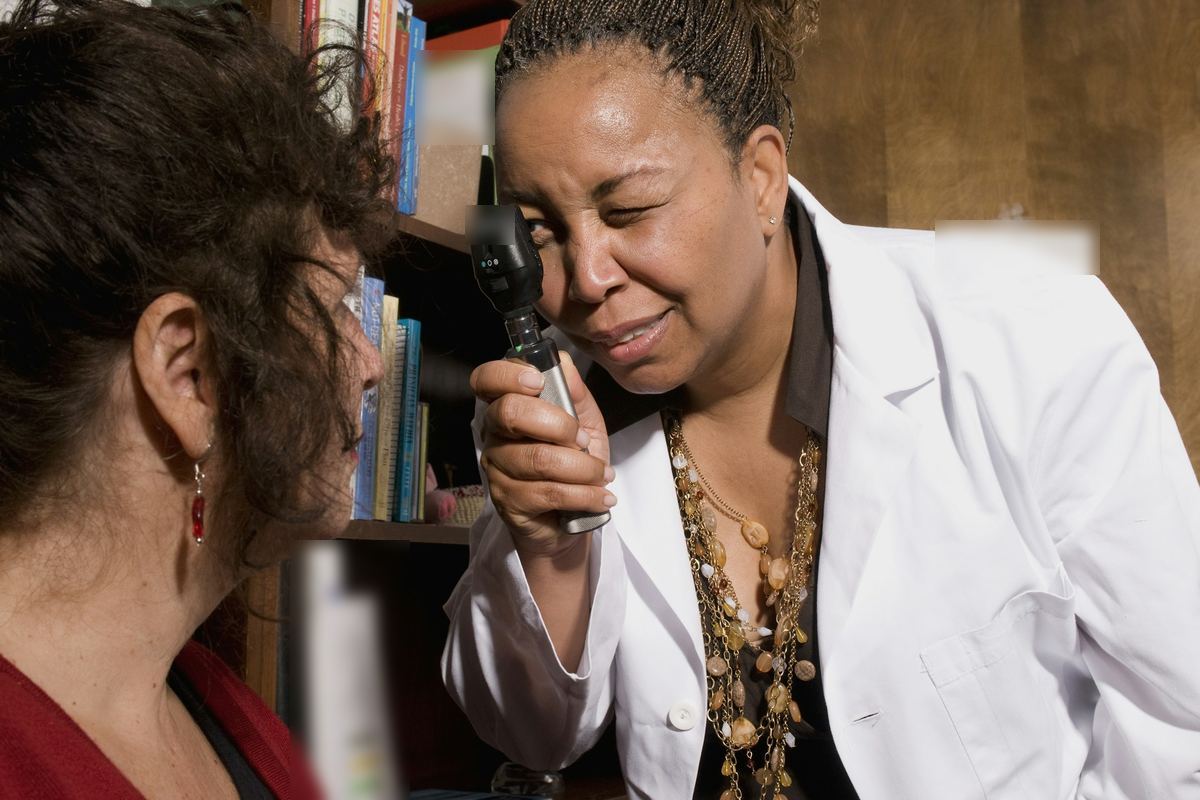
Rosacea mostly affects the center of the face: the cheeks, nose, chin and forehead. Some people have steady redness and fine visible blood vessels. Others get small red bumps that look like acne, a burning or stinging feeling, or dry, gritty eyes. It tends to come in flares, with calmer stretches in between.
Day to day, many people learn their own triggers. Hot showers, strong sun, spicy meals, hot drinks, some drinks with dinner, exercise and stress all come up often. Living with it can mean gentle cleansers, daily sunscreen, a prescription cream and planning around warm rooms. The visible redness also wears on how people feel in photos and at work.
Research areas
What rosacea research looks at
The kinds of question studies near you are asking about rosacea.
Creams and gels
Prescription creams compared with each other, or with a plain base, for bumps and redness.
Light and laser treatments
Pulsed light and laser sessions aimed at visible blood vessels and steady facial redness.
Tablets taken by mouth
Low-dose tablets for bumps and eye symptoms, sometimes used alongside a cream.
Skin barrier care
Cleansers, moisturizers and sunscreens tested for how well sensitive skin tolerates them.
Triggers and the gut
How food, heat, stress and gut health line up with flares over time.
When rosacea symptoms shift
Summer heat and strong sun bring flares for many people, so some rosacea studies note the season or run across warm and cool months to see the difference.
Measuring change
How a rosacea study measures it
Studies need the same yardstick at every visit, so they can tell whether anything changed.
Redness grading by clinicians
A trained assessor grades how red your face looks on a short scale at each visit.
Counting bumps
The study team counts the red bumps and pus spots on your face, area by area.
Standard face photographs
Photos taken in the same light, angle and distance each time, so changes can be compared fairly.
How the skin affects life
Questionnaires about burning, stinging, self-consciousness and how rosacea shapes your days.
Before a rosacea study: what you may pause
A rosacea study may ask you to hold off on certain prescription creams, tablets or light treatments for a set stretch before it begins. That gap is called a washout period. It lets the study team see your skin without the effect of something you used recently. You may also be asked to keep your cleanser and sunscreen the same throughout. Never stop or change anything on your own: ask your own doctor first.
Questions worth asking a rosacea study team
Write these down before you call a rosacea study, and add your own.
- Will I need to stop using my current rosacea cream, and for how long?
- Are face photographs taken, and who gets to see them?
- Can I keep wearing makeup and my usual sunscreen during the study?
- Does the study look at eye symptoms as well as the skin?
Rosacea terms in plain English
- Erythema
- Redness of the skin caused by widened blood vessels near the surface. In rosacea it often sits across the cheeks and nose.
- Telangiectasia
- Fine, visible blood vessels on the skin, often thread-like and red, that stay rather than fade between flares.
- Ocular rosacea
- Rosacea that affects the eyes and eyelids, causing dryness, burning, redness or a gritty feeling.
Rosacea: what people ask us
The other conditions on Julvari
No. Rosacea can cause small red bumps that look like acne, but it usually has no blackheads and it brings flushing and redness that acne does not. The two are treated differently. A dermatologist or your own doctor can tell you which one you have before you look at any study.
No. Studies in this area look at many forms of rosacea, from mild steady redness to frequent bumps or eye symptoms. Each study sets its own requirements, and the study team decides who can take part after talking with you. Reading a few listings near you shows the range.
It may. Some studies ask you to use a gentle cleanser and sunscreen they provide, so every person starts from the same routine. Others ask you to keep your own products steady. The study team explains this before you agree to anything, and you can ask your own doctor whether it suits you.
Yes. Julvari does not run, fund or recruit for any study, and we do not pass your details on. When you find a study in your area that interests you, you contact its team directly, ask your questions and decide for yourself whether to go further.
Follow rosacea research close to home.
One short form: your name, email, ZIP code and rosacea as the condition. Ticking the text box is the only way texts start.
Or call (719) 701-8266, Monday to Friday, 9am - 5pm EST