A blocked nose for months is still an open research question.
Chronic sinusitis is swelling inside the nose and sinuses that lasts three months or more, often for years. This page covers what studies in this area test and how they track your nose, your smell and your sleep.
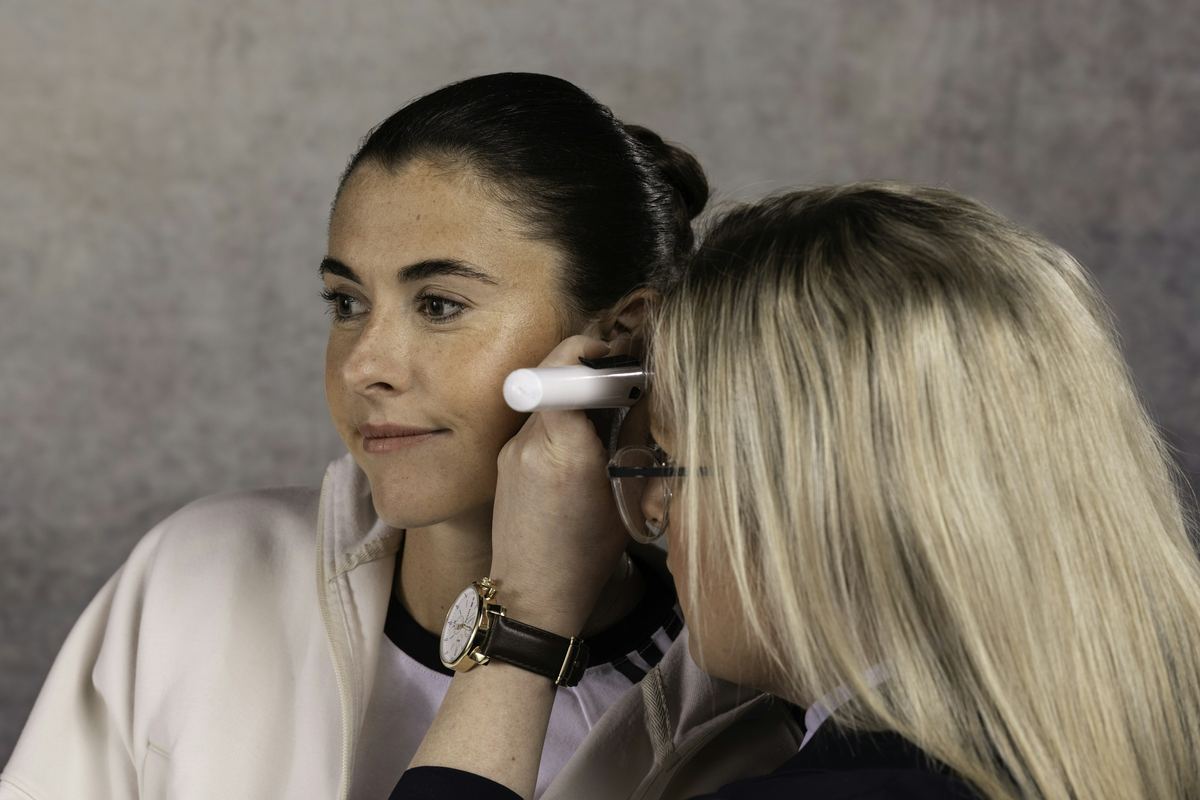
In chronic sinusitis the lining of the nose and sinuses stays swollen long after a cold would have cleared. Common signs are a blocked or stuffy nose, thick drainage down the throat, pressure around the eyes and cheeks, and a weaker sense of smell and taste. Some people also have nasal polyps, soft growths that narrow the airway.
Living with it often means a nasal spray every morning, salt-water rinses, broken sleep from breathing through the mouth and a tired feeling that hangs on. Food can taste flat. Many people have tried several rounds of tablets, and some have had sinus surgery and found that the swelling came back over time.
Research areas
What chronic sinusitis research looks at
The kinds of question studies near you are asking about chronic sinusitis.
Steroid sprays and rinses
Different ways of getting steroid medicine into the sinuses, from sprays to rinses and implants.
Injections for nasal polyps
Injected medicines that target the immune signals behind polyp growth and swelling.
Sinus surgery approaches
How different surgical methods compare, and what keeps polyps from returning afterward.
Smell training
Daily sniffing routines with set scents, studied as a way to rebuild a weak sense of smell.
Allergy and asthma links
How allergies, asthma and chronic sinusitis affect each other over months and years.
When chronic sinusitis symptoms shift
Colds and allergy seasons can make sinus symptoms worse for a while, so a study may wait until a cold has passed before your first visit or ask you to report any infection along the way.
Measuring change
How a chronic sinusitis study measures it
Studies need the same yardstick at every visit, so they can tell whether anything changed.
Nose and sinus questionnaires
A standard list of questions rating blockage, drainage, facial pressure, sleep and mood over the past few weeks.
Camera checks inside the nose
A thin lighted scope shows the lining and any polyps, which are graded by size.
Sinus scan scores
CT scan images of the sinuses are scored for how much of each space is blocked.
Scratch-and-sniff smell tests
You identify a series of scents on a card, giving a score for your sense of smell.
Before a chronic sinusitis study: what you may pause
A sinus study may ask you to stop a steroid nasal spray, a decongestant spray or steroid tablets for a stretch of time before it begins. This gap is a washout period, and it gives the study a clear starting picture of your nose. Some studies ask you to keep salt-water rinses going as usual. Do not stop anything on your own; talk to your own doctor first.
Questions worth asking a chronic sinusitis study team
Write these down before you call a chronic sinusitis study, and add your own.
- Does the study include people with nasal polyps, without them, or both?
- Will I need to stop my nasal spray, and what do I use instead?
- Is a CT scan or a camera check inside the nose part of the visits?
- Does the study measure changes in my sense of smell?
Chronic sinusitis terms in plain English
- Nasal polyps
- Soft, painless growths on the lining of the nose or sinuses that can block airflow and dull your sense of smell.
- Nasal endoscopy
- A look inside the nose with a thin tube that has a light and camera, usually done in the office.
- Anosmia
- Loss of the sense of smell. A partial loss is called hyposmia, and both are common in chronic sinusitis.
Chronic sinusitis: what people ask us
The other conditions on Julvari
A sinus infection usually follows a cold and clears within a few weeks. Chronic sinusitis is swelling that lasts three months or more, often without a clear infection. Your own doctor can tell you which one fits your symptoms, and that answer shapes which sinus studies make sense to look at.
No. Some studies look only at people who have never had surgery, and others look at people whose polyps came back after it. Each study team sets its own requirements and decides who can take part, so the details are in the listing and in your first conversation.
Many do. A CT scan of the sinuses is a common way to see how blocked they are at the start and at the end. Ask the study team how many scans are planned and why, and talk with your own doctor if you have had several scans already.
No. Julvari does not examine anyone or give medical advice. We explain what sinus research looks at so you can read listings with more confidence. For a view on your own sprays, rinses or surgery, see your own doctor or an ear, nose and throat specialist.
Follow chronic sinusitis research close to home.
One short form: your name, email, ZIP code and chronic sinusitis as the condition. Ticking the text box is the only way texts start.
Or call (719) 701-8266, Monday to Friday, 9am - 5pm EST