Carpal tunnel research covers splints, nerve tests and hand surgery.
Carpal tunnel syndrome is pressure on a nerve at the wrist. Many people shake out their hands at night for years first. Here is what research in this area tests and how it measures the nerve and your grip.
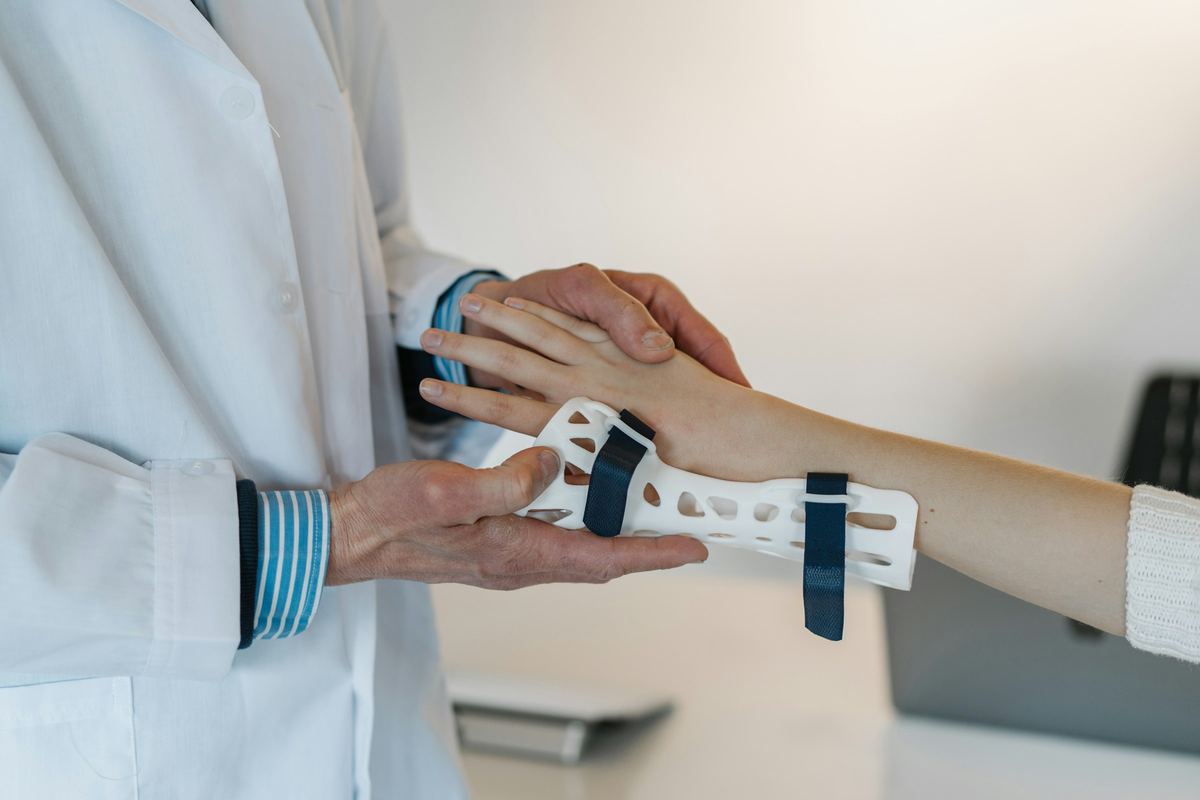
The carpal tunnel is a narrow passage on the palm side of the wrist. When the median nerve inside it is squeezed, the thumb, index and middle fingers can go numb, tingle or burn. Many people wake at night with a dead-feeling hand and shake it until the feeling comes back.
Living with it can mean dropping cups, struggling with buttons and jar lids, and switching hands to hold a phone or a steering wheel. It is common in people who grip or bend the wrist for long stretches, and also during pregnancy and with diabetes or an underactive thyroid. Over time, the muscle at the base of the thumb can weaken.
Research areas
What carpal tunnel syndrome research looks at
The kinds of question studies near you are asking about carpal tunnel syndrome.
Night wrist splints
Splints that keep the wrist straight during sleep, compared with other early treatments.
Steroid injections
Injections near the nerve, sometimes guided by ultrasound, and how long relief lasts.
Surgical release methods
Open and keyhole ways of releasing the nerve, compared for recovery and grip strength.
Hand therapy exercises
Nerve and tendon gliding exercises taught by a hand therapist, used at home.
Ultrasound of the nerve
Measuring the median nerve on ultrasound as a quicker check than electrical tests.
When carpal tunnel syndrome symptoms shift
Numbness and tingling are often worst at night and on waking, so carpal tunnel studies frequently ask how often your hand wakes you and how it feels first thing.
Measuring change
How a carpal tunnel syndrome study measures it
Studies need the same yardstick at every visit, so they can tell whether anything changed.
Nerve conduction studies
Small electrical pulses on the skin measure how fast signals travel along the median nerve through the wrist.
Symptom and function questionnaires
Standard questions on numbness, night waking and everyday hand tasks such as writing and buttoning.
Grip and pinch strength
You squeeze a handheld gauge so the study team can record the strength of your hand.
Fingertip feeling tests
Light touches or two close points on the fingertips check how well you sense them.
Before a carpal tunnel syndrome study: what you may pause
A carpal tunnel study may ask you to wait a while after a recent steroid injection, or to keep wearing or not wearing a wrist splint in the same way throughout. A set gap like this is called a washout period, and it keeps earlier treatment from mixing with the results. Pain relievers may also need to stay steady. Never stop or change a treatment on your own; ask your own doctor first.
Questions worth asking a carpal tunnel syndrome study team
Write these down before you call a carpal tunnel syndrome study, and add your own.
- Will I have a nerve conduction test, and how does it feel?
- Do I need to wear a splint at night, and who provides it?
- If surgery is part of the study, how long before I can use my hand at work?
- Can I keep my usual job and hand tasks during the study?
Carpal tunnel syndrome terms in plain English
- Median nerve
- The nerve that runs through the carpal tunnel and gives feeling to the thumb, index, middle and part of the ring finger.
- Nerve conduction study
- A test that sends small electrical pulses along a nerve to measure how quickly and strongly signals pass.
- Carpal tunnel release
- Surgery that cuts the ligament across the wrist to make more room for the median nerve.
Carpal tunnel syndrome: what people ask us
The other conditions on Julvari
Typing alone is not a proven cause, though many people notice symptoms with long stretches of wrist bending or gripping. Pregnancy, diabetes, arthritis and an underactive thyroid are also linked to it. Your own doctor can look at what is going on in your wrist.
Not always. Many studies look at splints, injections, exercises or new ways of testing the nerve. Studies that compare surgical methods say so clearly in the listing. The study team explains every procedure and decides who can take part.
A nerve conduction study uses small electrical pulses that feel like a quick tap or snap on the skin. Most people find it uncomfortable but brief. Some studies add a needle test of the muscle. Ask the study team exactly which tests are planned before you agree to anything.
Possibly. Some studies look at the other hand, and some look at symptoms that came back after surgery. Each study sets its own requirements. Contact the study team yourself with your history, and keep your own doctor informed.
Follow carpal tunnel syndrome research close to home.
One short form: your name, email, ZIP code and carpal tunnel syndrome as the condition. Ticking the text box is the only way texts start.
Or call (719) 701-8266, Monday to Friday, 9am - 5pm EST