In short
- Studies combine your own ratings with photos, exams and simple tests.
- Questions about daily life show whether a change matters outside the clinic.
- The same questions are repeated so change can be tracked fairly.
Rating scales you answer yourself
Many symptoms in these conditions can only be described by the person who has them. A study may ask you to rate the urge to move your legs, the stuffiness in your nose or the ache in your heel on a scale that runs from none to very severe. Some scales use words, while others use a line you mark.
The scales used in research are usually tested in advance, so researchers know they give steady answers and pick up real change. Your answers count as much as anything an examiner records. There are no right or wrong ratings; the aim is to describe how the symptom felt during the period the question asks about.
Standard photos and examinations
For conditions you can see, a study may take photographs under the same lighting, angle and distance each time. In rosacea research, this lets a reviewer compare redness and bumps fairly from one visit to another. Examiners may also score the skin using a set grading guide rather than a general impression.
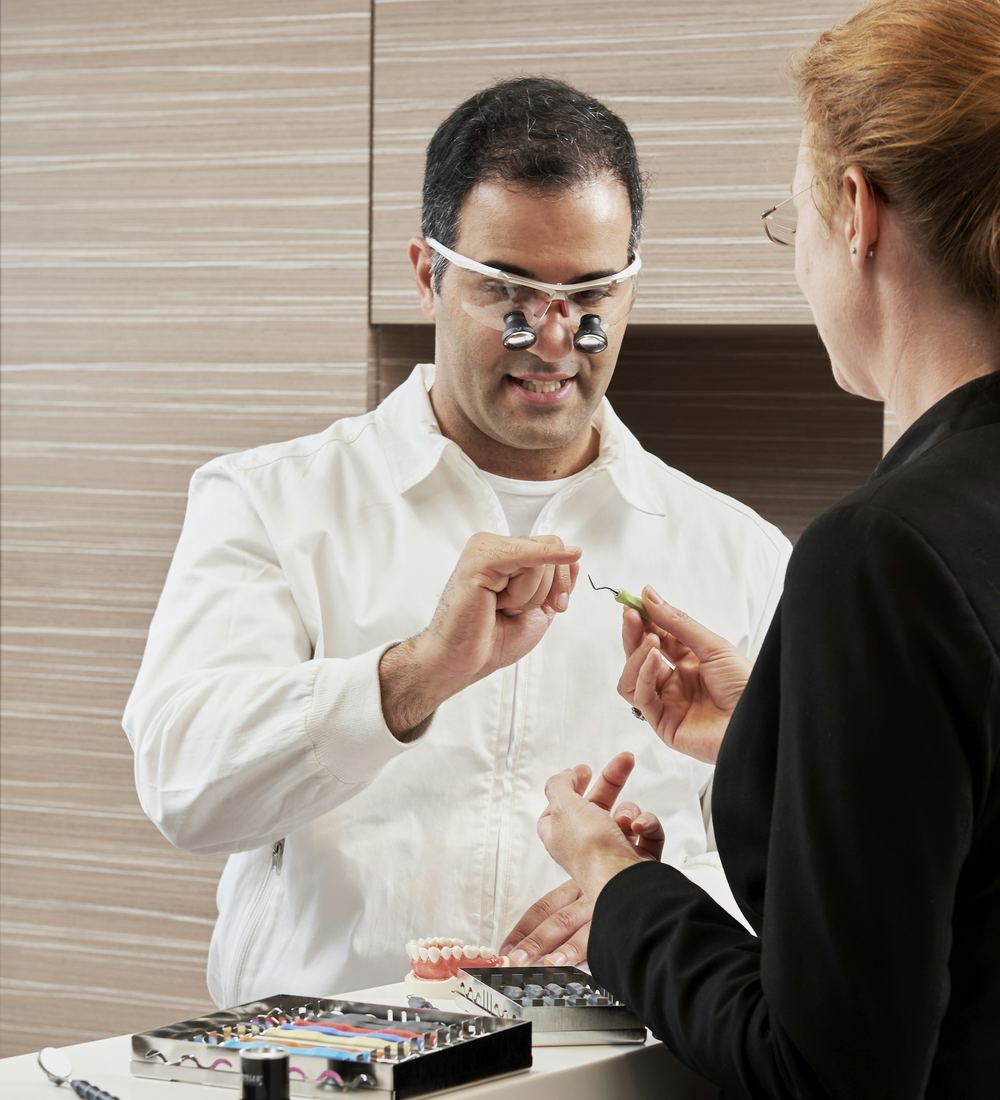
Gum disease studies often measure the depth of the small pockets between gums and teeth with a thin probe, and note whether the gums bleed when touched. Sinus studies may include a look inside the nose with a small camera. Each measurement follows the same steps every time so that results can be compared.
Simple tests of how a hand, foot or nose works
Some studies use quick physical tests. In carpal tunnel research, this can mean measuring grip strength, checking feeling in the fingertips or recording how fast signals travel along a nerve in the wrist. In plantar fasciitis research, an examiner may press on set points of the heel or watch how a person walks.
Sinus studies sometimes include a smell test, in which you name a series of scents. Restless legs studies may ask you to wear a small sensor on the ankle overnight to count leg movements. These tests are usually brief and painless, and the study team explains each one before it happens. You can ask to have any step explained again before it starts.
Questionnaires about sleep, work and chores
Questionnaires about daily life ask how a condition affects sleep, work, mood, chores, hobbies and time with others. Someone with carpal tunnel numbness might be asked about buttoning a shirt or holding a book. Someone with rosacea might be asked how often they feel self-conscious about their skin in company.
These questions capture what a scale or photo can miss. Two people with the same heel score may live very differently with it, depending on their job and how long they stand each day. Researchers use these answers to judge whether a change is large enough to matter in ordinary life.
Why the same questions come back each visit
A study asks the same questions in the same way at each visit so it can track change over time. If the wording shifted, it would be hard to tell whether a different answer reflected a real change in symptoms or simply a different question. Repeating them can feel tedious, but that repetition is what makes the results reliable.
Try to answer each time based on how things are now, rather than on what you said before. The study team does not expect steady improvement, and a worse rating is just as useful to the research as a better one. Honest answers give the clearest picture of how the condition really behaves.